Shaolin Temple Quanfa Institute
S.T.Q.I. Downtown Toronto School


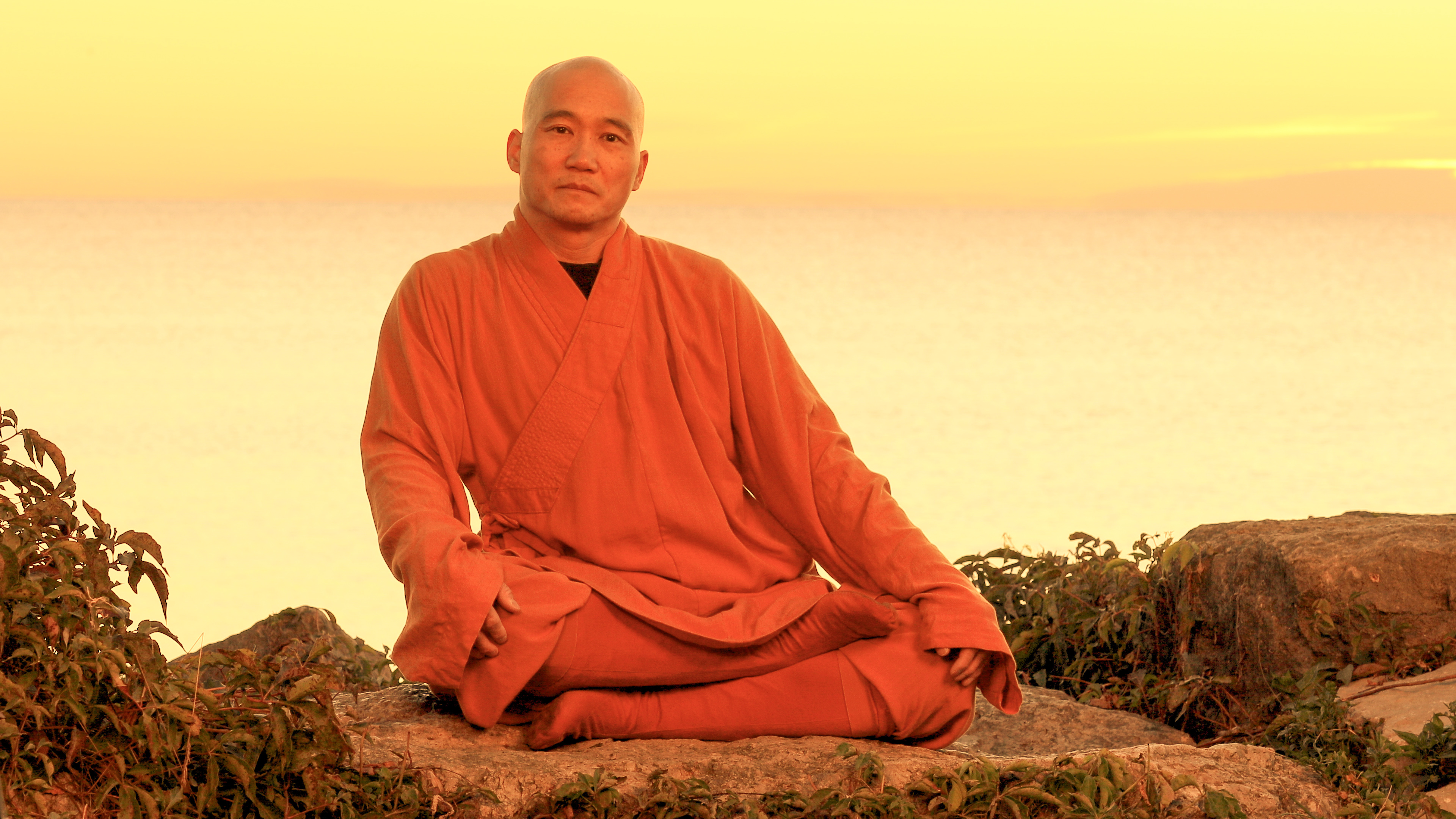
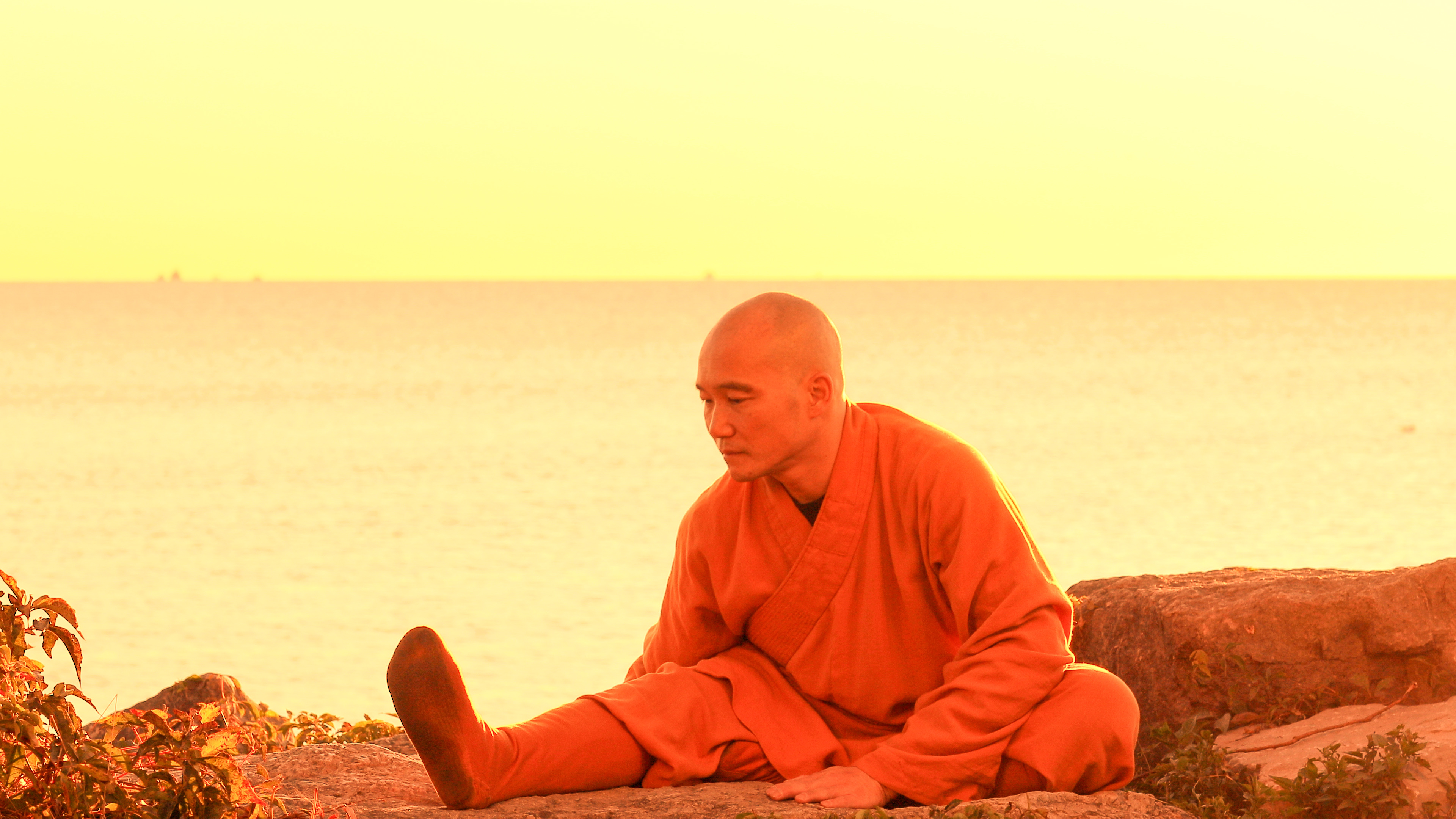
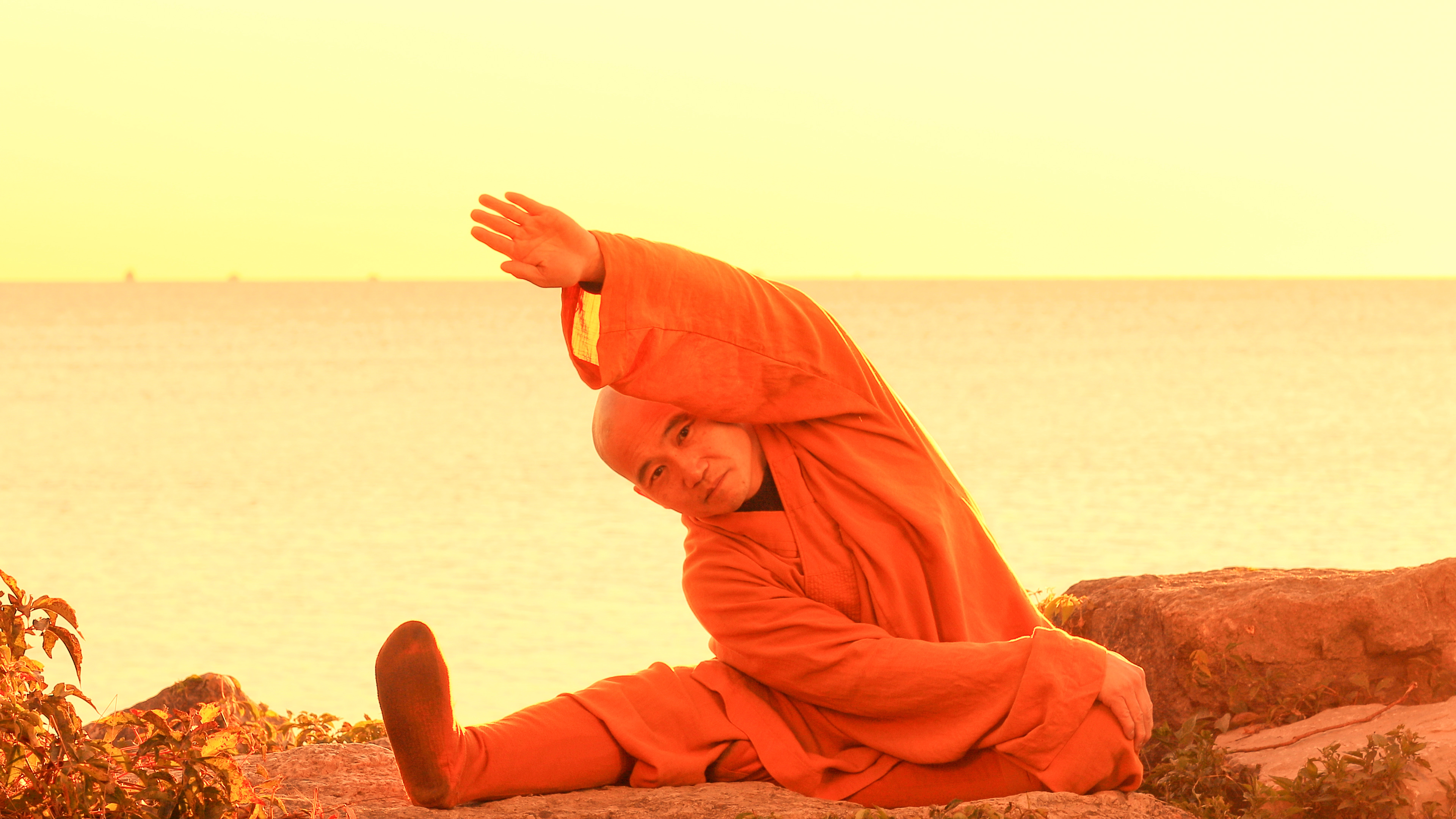
Explore Shaolin Stretch Therapy

Shaolin Stretch Therapy
Shaolin Stretch Therapy is a joint optimization practice that leverages the power of qigong wisdom to strengthen and balance every joint in your body.

Shaolin Stretch Therapy Videos

A 20-Minute Essential Daily Shaolin Stretch Therapy practice with Master Dao
Be sure to read up on Shaolin Stretch Therapy Technicalities to get the most out of your practice.
Video Production Team
Student Testimonial by Annie K.
This Temple is pure magic! Master Dao & all instructors teach with pure reverence, potency & mastery. The community is very welcoming & incredibly helpful specially to those with little to no prior experience. There is a true sense of camaraderie & unity, not competing for hierarchy. I notice immense improvements to my overall health ever since I started participating. There are people of every age in different health conditions that attend classes regularly. As a relative newbie, I always feel welcomed & supported by the incredible teachers & more experienced students. I feel very grateful to have found this precious space & this amazing lineage.

Shaolin Stretch Therapy Index

Shaolin Stretch Therapy Philosophy

(Go to Index)

What is Shaolin Stretch Therapy?

Shaolin Stretch Therapy is a daily self-practice for optimizing every joint in the body. It is empowered by qigong, an ancient Shaolin art that is also a philosophy about the energy of the body, mind, and universe.

With daily practice of Shaolin Stretch Therapy and thereby optimizing your joints, you can:

  • develop important skills for self-therapy,
  • become more aware of joint health,
  • understand pain and other joint signals,
  • relieve muscle and joint pain,
  • improve posture,
  • increase your flexibility and range of motion,
  • decompress and realign your joints, and
  • understand how to heal your cartilage,
  • prevent atrophy and injury,
  • slow and reverse degeneration of joints from aging,
  • develop basic qigong skills such as improving breathing, awareness, and relaxing.

The Shaolin Stretch Therapy exercises are primarily designed for you to do while sitting or lying down. This makes it convenient and easier to practice joint optimization.

This practice also includes self-massage using a variety of tuina (Chinese massage) techniques and optional tools.

Is Shaolin Stretch Therapy Essential?

There are not many activities that fully work out each and every joint in our body. Moreover, many sports and exercises repetitively work on specific joints.

Take jogging for example. It is considered a healthy exercise but only a handful of joints are worked out. Without proper stretches, your calf and hamstring muscles will get tighter. Without decompression, your ankles will wear out. In addition, only jogging as an exercise will put your body out of balance. Your core becomes weak releative to your legs.

Shaolin Stretch Therapy will ensure all of your joints are worked out and heal faster. Your joints are trained to move through the full range of motion. Shaolin Stretch Therapy promotes joint circulation and helps your joints stay in balance.

This practice will help those with martial training. It is effective as a warm up exercise and also effective as a warm down exercise.

Master Dao and his students can attest to the need for Shaolin Stretch Therapy. It works at the very core of the physical body and solves many problems that people have today such as:

  • back pain and disc degeneration,
  • neck pain and disc degeneration,
  • sciatica pain radiating down the sides of your legs,
  • frozen / locked / pinched shoulder,
  • hip pain,
  • knee pain,
  • swollen knees or ankles,

When your joints are painful or stiff, it makes you feel old. So in this respect, Shaolin Stretch Therapy will make you feel younger, and improve your quality of life.

What is a Shaolin Stretch Therapy Class Like?

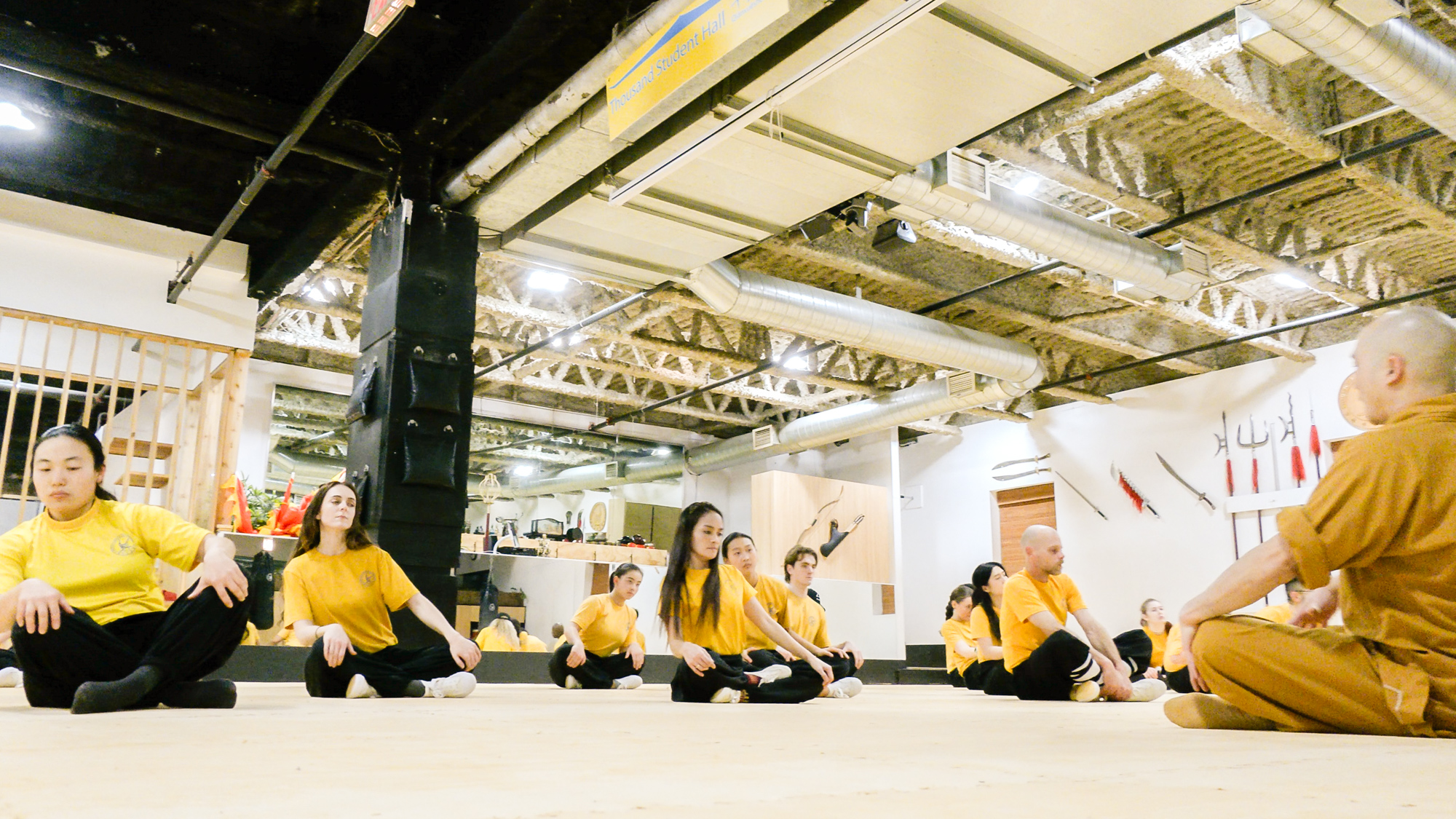
At present, you can attend Shaolin Stretch Therapy classes in-person at our downtown Toronto school, or by Zoom with live streaming.

You can learn more about our class schedule by clicking on 'Calendar' from the top menu.

There are 14 weeks of classes each term and our Shaolin Stretch Therapy program has a specific theme each week. For instance, we may focus on a particular theory or a specific area of the body.

Typically our class is structured as follows:

  • A brief introduction to the theme of the week,
  • Short meditation session,
  • Essential optimization techniques,
  • Discussion of human physiology related to the theme,
  • Thematic optimization techniques,
  • Self massage.

Shaolin Stretch Therapy Technicalities

(Go to Index)

If you are following the 20-Minute Daily Essential Shaolin Stretch Therapy practice, you will want to read this section carefully to prevent injury and get the most out of your practice.

How Do I Perform Joint Optimization Properly?

Many of the joint optimization exercises are easy to do but difficult to become good at them. That's because it takes time to develop your motor mechanics, gain the experience to push yourself without getting injury, and patience to allow your joints to improve in a balanced way.

Below are specific technical details about each exercise. Do read and study the notes so that with practice you will be able to do every exercise accurately.

How quickly will there be an improvement?

If you do not experience sharp or negative pain and you follow the exercises properly, you will feel immediate improvement.

The more important test is the long-term improvement in your joints. You will need to strive and practice every day until you feel significant improvement in strength. Thereafter, a quick practice is enough to maintain the joints.

Depending on the level of atrophy and misalignment or imbalance, it may take a few months to a few years to greatly strengthen the joints.

If you do not optimize your joints every day, they will quickly atrophy again. We are creatures that requirement movement for circulation and maintenance of the body.

What does 120% stretch hold or pulse mean?

A 120% stretch hold means that you are moving your joint 20% more than your muscular range of motion. So 100% stretch hold means you are not straining your muscles while maintaining a particular posture.

A stretch hold trains your joint muscles to grow stronger through the full range of motion that is naturally possible with yourmuscles. Some people may be able to do the splits but not have enough strength to come out of it. This means the joint is weak and not balanced, increase your potential for injury if you sliip for example.

A 120% pulse means that you are temporarily moving your joint 20% more than your natural range of motion and then relaxing. The purpose of this technique is to generate momentum which then increases your flexibility.

'Moving 20% more than your muscular range of motion' is this similar idea and applied contextually - for instance, moving your eyes left to right at 120% (or 20% more) will help strengthen the eyes and increase circulation.

What is the difference between flexibility and muscular range of motion?

Flexibility refers to the how much a joint can move including the help of others or gravity, while muscular range of motion refers to how much a joint can move using the muscles associated with that joint.

For example, in the Hamstring Pull exercise, you can pulse your core muscles to generate forward momentum which temporarily allows you to reach further - perhaps you can now touch your toes with your fingers with each pulse. However, it doesn't mean you can hold still with your fingers touching your toes. In this example, you have flexibility to touch your toes but not the muscular range of motion to do so.

What if I experience pain when doing the exercises?

Not all pain is bad for you. The way we interpet pain signals can slightly differ from person to person because it is a communication tool between you and your subconscious.

Generally, if joint pain is sharp and has a negative feeling, then it means you need to skip the exercise or ease up in way that you do not feel this kind of pain. This could mean that you have tendon, ligament, cartilage, bone, or muscle damage, or your joint is swollen. In this case your joint needs rest and you will want to see your doctor who can perform the necessary test to determine the cause of damage. They may then offer you rehabilitation and therapy advice.

If the joint has a 'feels good' pain feeling, then it means your body is telling you that the joint is atrophied or atrophying. Chances are the joint will feel tight. This means more movement, stretching, and optmization exercises are needed.

Vertical Core Expansion Details

Why is this optimization exercise important?

The Vertical Core Expansion exercise counters the atrophy of the joints of your entire spine.

As you sit or stand relaxed for many hours throughout the day, there is pressure on every disc between your 24 vertebrae (between the lower back and neck). After many years of this pressure, the discs become more compressed. They push backwards into your spine or central nervous system, causing numbess, pain, and other sensations that radiate from that joint. Now imagine you turning your shoulders with compressed discs. Your discs are being grinded and this accelerates disc degeneration.

What are the technical details of this exercise?

This movement requires activating specific muscles used for expanding and supporting the vertebrae of the spine. Be sure to relax your shoulders (i.e. do not activate the muscles responsible for lifting the shoulders).

When done properly, you can feel the pressure lifted between your vertebrae, especially the lower back area that carries more weight.

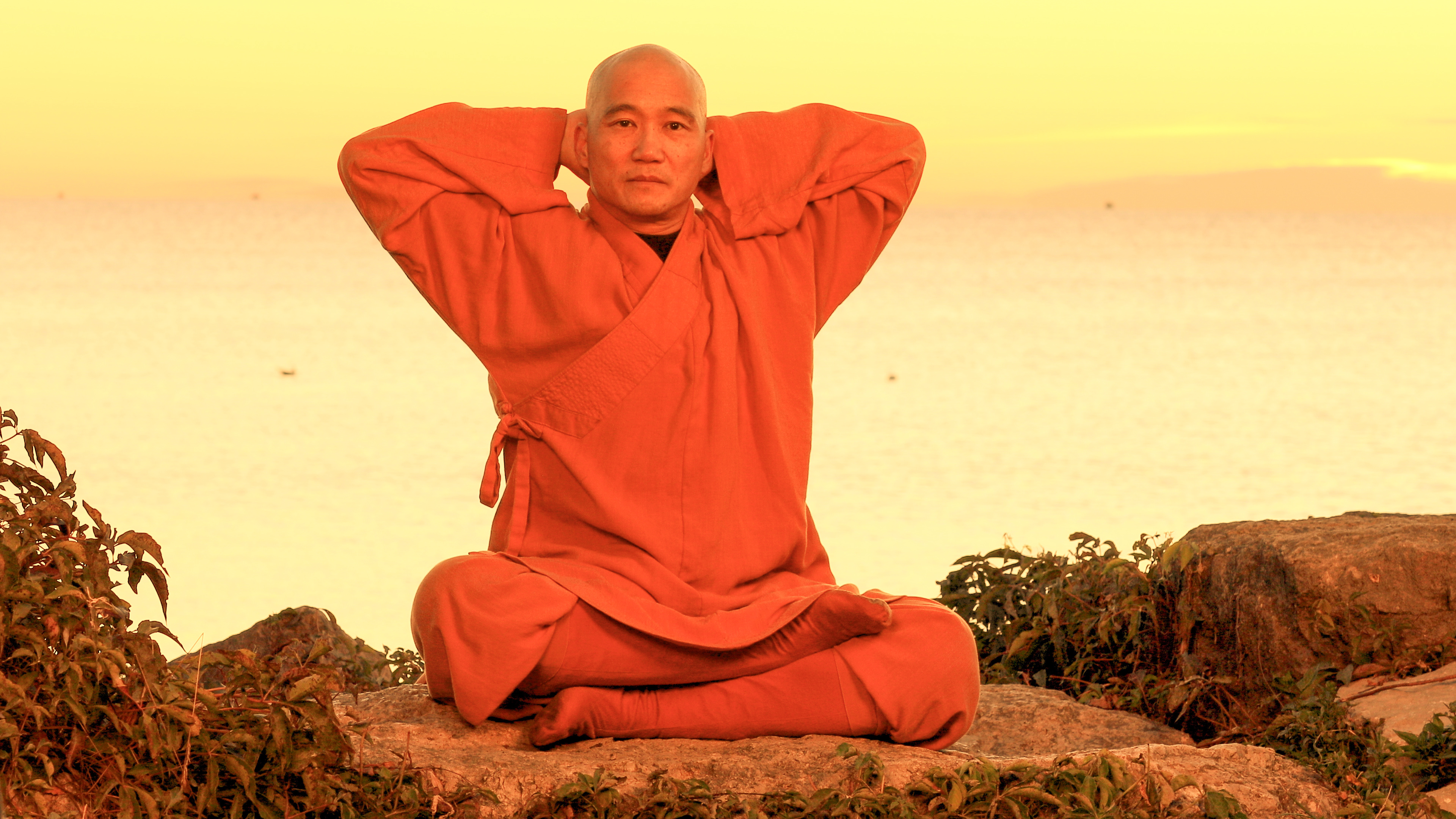
Thoracic-Elbow Reciprocation Details

Why is this optimization exercise important?

The Thoracic-Elbow Reciprocation exercise counters the sitting posture that collapses the chest and lungs.

Many people will sit in a posture where the shoulders are slumped forwards. This could happen when you are reading a book, or leaning forwards from a chair to look at a computer screen or tv. This causes the upper back spine and neck to curve or tilt forwards. Over time, the body strengthens the joints to handle this posture better, but results in atrophy of the joints and misalignment.

When the chest and lungs are collapsed, breathing becomes very shallow, reducing one's overall energy throughout the day.

What are the technical details of this exercise?

When practicing this exercise and bringing the shoulders back (with chest slightly forwards), the fingers will feel like they are being pulled apart.

It is incorrect if you feel your hands pushing into your head and creating strain on your neck.

Waist Shear Details

Why is this optimization exercise important?

The Waist Shear exercise counters atrophy from sitting for long periods of time. This exercise includes the variations of side-to-side, front-to-back, and circular.

The lack of movement from many hours a day of sitting means there is a lack of circulation around the top of the hips and the waist (and the buttocks). When the spine is slumped and compressed, all the muscles, fat, blood, and liquid will sit on the hips. This results in stagnation of circulation in this area, and this means the body's cells cannot function properly.

For example, tour blood cells contain nutrient necessary for your cells, your white blood cells help to fight pathogens, and your interstitial water system needs to transport nutrients and also remove waste.

The organs in this area will suffer - i.e. your bones, ligaments, tendons, muscles.

What are the technical details of this exercise?

When practicing this exercise, be sure to maintain 50% of your muscles for Vertical Core Expansion. This takes the pressure off your discs as well as your hips.

Be sure your shoulders do not tilt. You can cross your arms and ensure they are parallel to the ground as you work on your muscle coordination. You can also sit in front of a mirror to watch yourself do it properly.

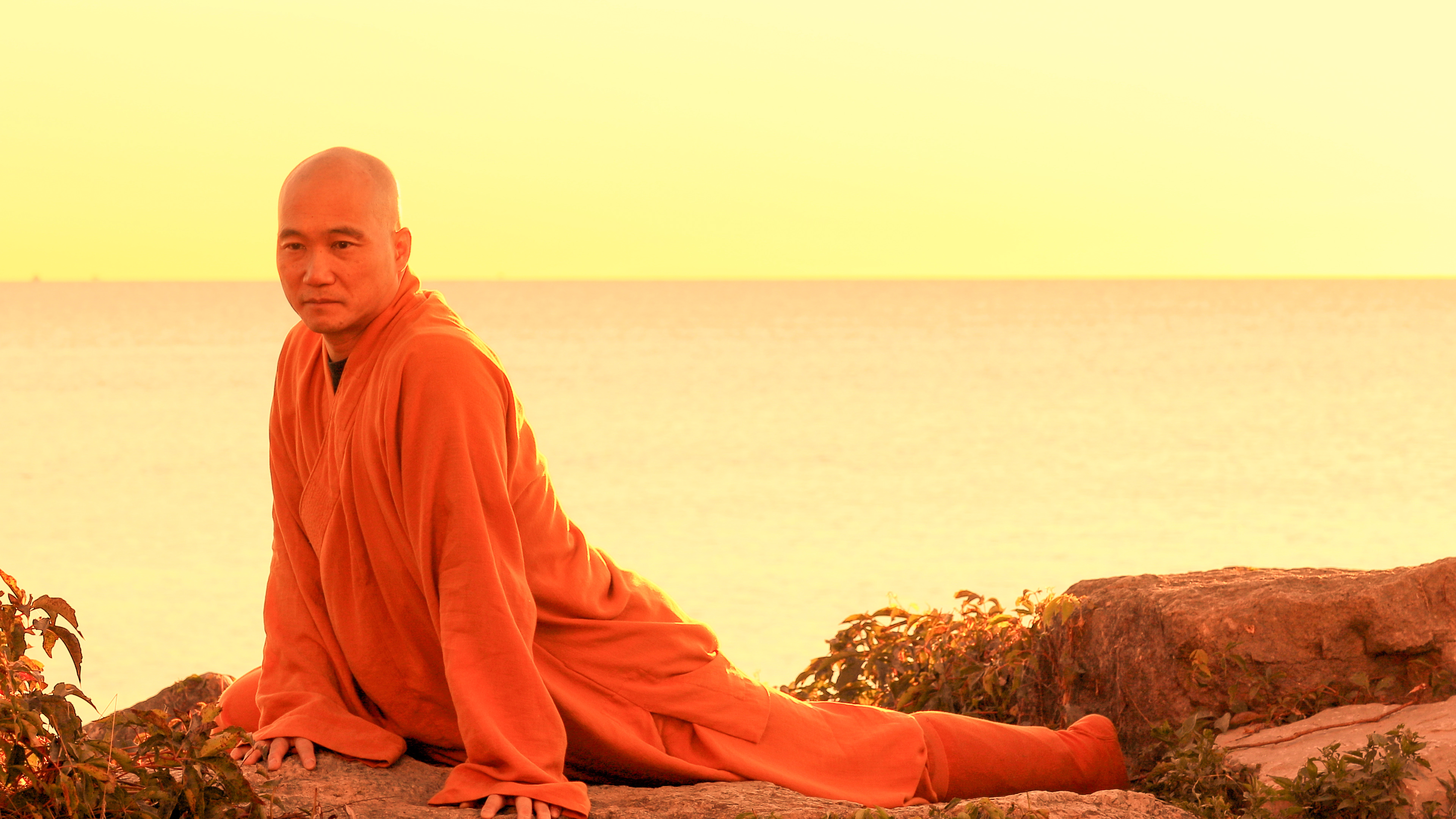
Front Hip Press Details

Why is this optimization exercise important?

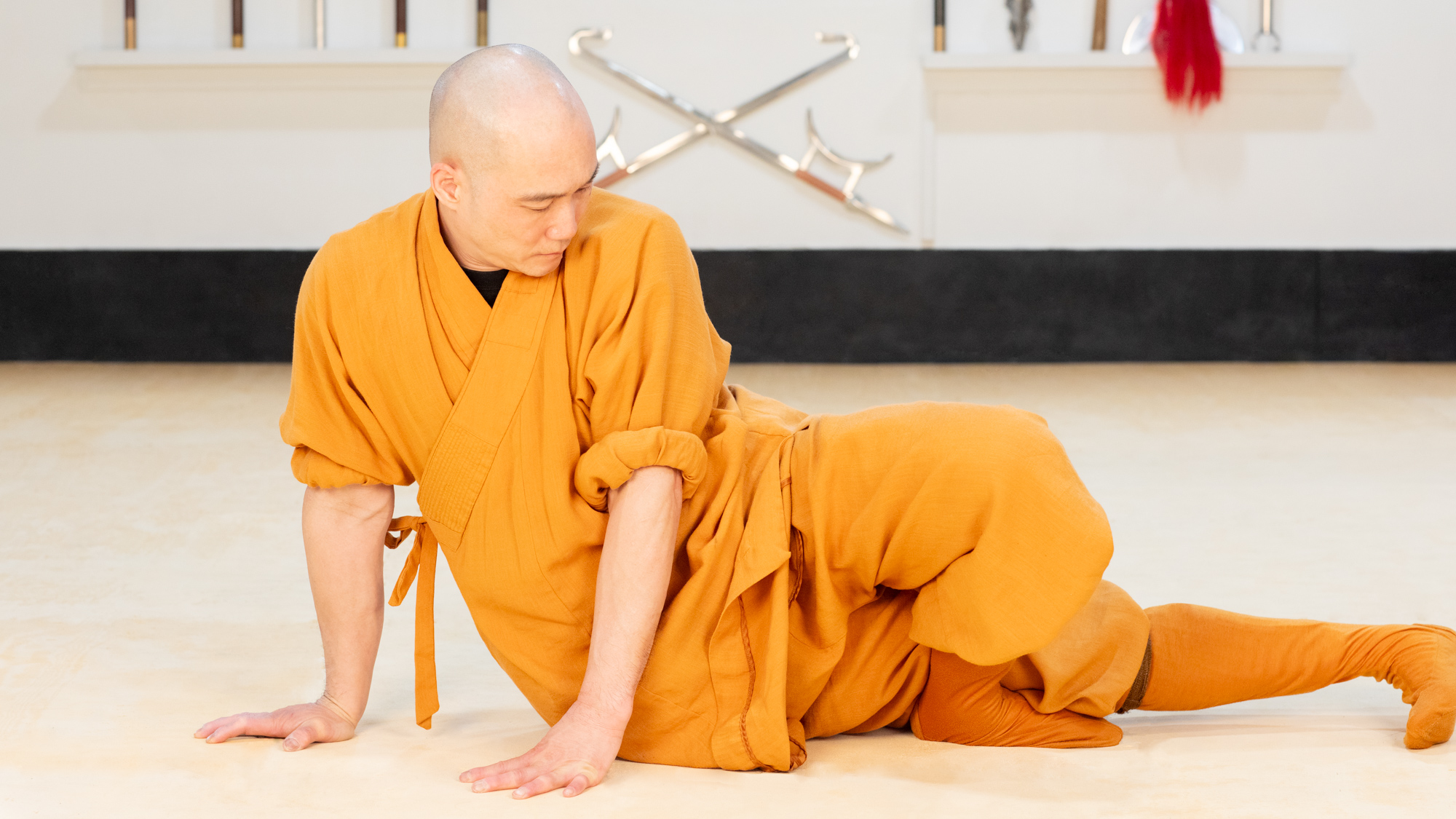
The Front Hip Press exercise counters atrophy on the front side of your lower core as a result of sitting for long periods of time.

When sitting for many hours a day, your lower hip-joint (the joint between your thigh/femur bone and your hip bone) becomes compressed on the front side. This creates an imbalance in the flexibility of the front side of your lower core and the back side of your lower core.

By holding this pose and relaxing your torso, you are using gravity to help stretch the areas between your abdomen to your thigh muscles. This is about regaining the flexibility you once had.

What are the technical details of this exercise?

If you find it difficult to keep yourself up with your hands, you can try using your elbows. If you do not feel much of a stretch then you can put some pillows under your elbow to raise your torso.

Perform the Vertical Core Expansion while doing this exercise. This will help to decompress the spine and prevent disc compression of the lower back area. If there is still pain, then your lower back discs maybe compressed or there is a misalignment. In this case you can try lowering your torso until you can do it without any pain.

This exercise is best done for at least 1-2 minutes each side, and each day.

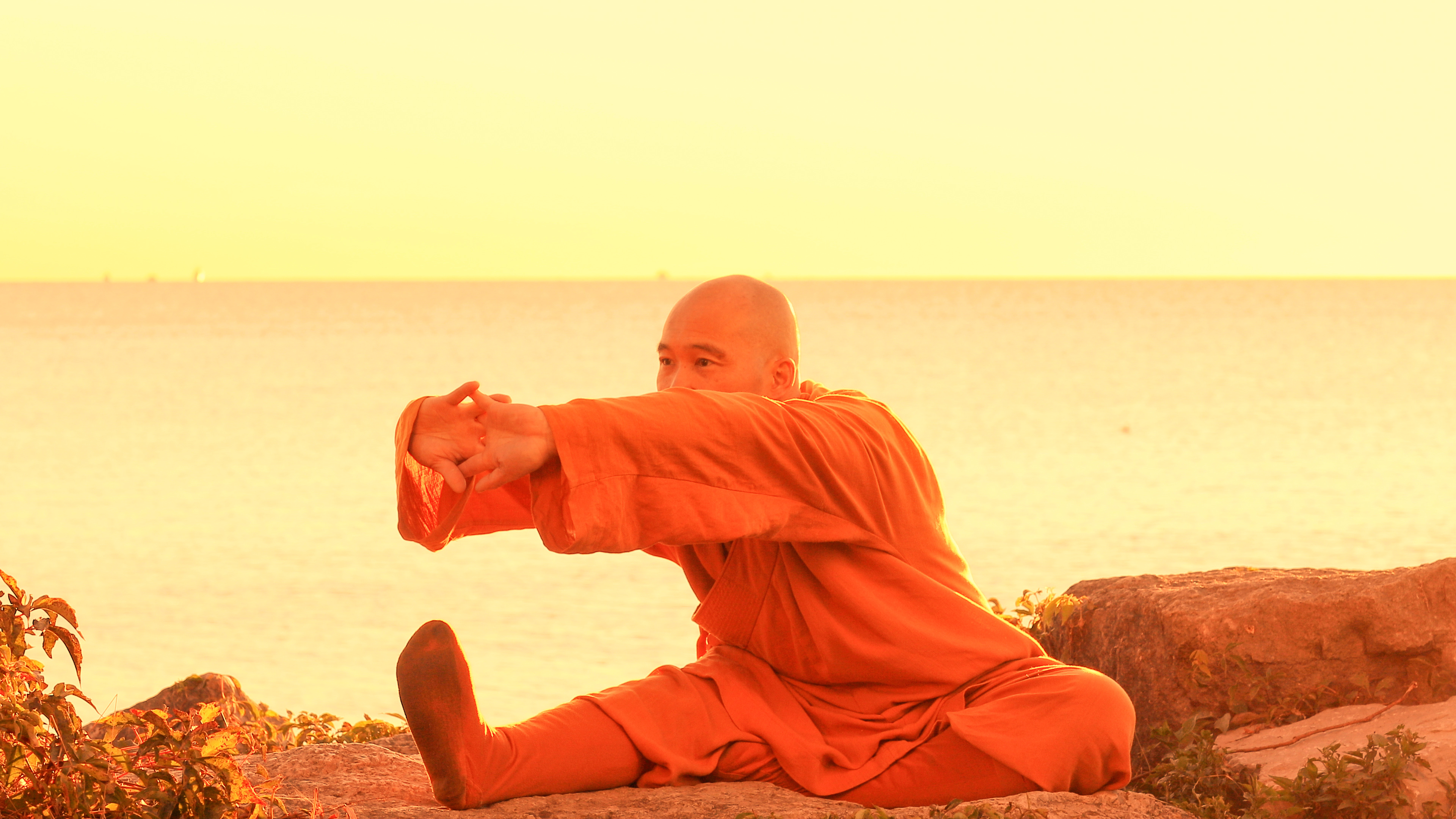
Hamstring Pull Details

Why is this optimization exercise important?

The Hamstring Pull exercise counters atrophy of the legs and lower back due to lack of use.

The typical day-to-day use of our body does not stretch out the hamstrings and lower back. Over time, the muscles, tendons, and ligaments become tighter and weaker.

Any accidental slippage from a standing position can easily cause injury.

What are the technical details of this exercise?

Use your core muscles to shear your waist forwards and be sure to do the Vertical Core Expansion at 50% or more. Keep your back straight and do not let your arms, hands, or head drop. Instead, let them slide forwards and backwards.

Pulsing helps to improve your flexibility and a stretch hold improves your muscular range of motion.

Lower Back Pull Details

Why is this optimization exercise important?

This variation of the Hamstring Pull exercise improves the flexibility and muscular range of motion ratio between the hamstrings and lower back.

Whereas the Hamstring Pull emphasizes the hamstring-to-hips flexibility, the Lower Back Pull emphasizes the lower back-to-hips flexibility.

An unbalanced ratio of hamstring to lower back flexibility can easily lead to misalignment in the body and cause radiating pain around the back, groin, and legs.

What are the technical details of this exercise?

Use your core muscles to lower your belly downwards to the thigh and be sure to do the Vertical Core Expansion at 50% or more. Keep your back straight.

Pulsing helps to improve your flexibility and a stretch hold improves your muscular range of motion.

Lateral Waist Pull Details

Why is this optimization exercise important?

This variation of the Hamstring Pull exercise improves the flexibility and muscular range of motion ratio between the hamstrings and lateral side of the lower back.

Whereas the Hamstring Pull emphasizes the hamstring-to-hips flexibility, the Lateral Waist Pull emphasizes the lateral lower back-to-hips flexibility.

An unbalanced ratio of hamstring to lateral lower back flexibility can easily lead to misalignment in the body and cause radiating pain around the back, groin, and legs.

What are the technical details of this exercise?

Use your core muscles to lower your waist downwards to the thigh and be sure to do the Vertical Core Expansion at 50% or more. Keep your back straight.

Pulsing helps to improve your flexibility and a stretch hold improves your muscular range of motion.

Massage Details

Why is this optimization exercise important?

As a result of our modern sedentary lifestyle, there is constant pressure on our hips. As we age, our core gets weaker and the torso and spine sinks, causing even more pressure and stagnation around the hips.

Shaolin Stretch Therapy helps to resolve this very problem.

This massage has two key purposes:

  • 1. Increase circulation around the hips and lower back
  • 2. Remove stress nodules around the hips and lower back

The pressure of the torso onto the hips causes stress nodules or stress knots. These are hardened areas that are designed to reinforce the area. The side effect is discomfort in the area.

What are the technical details of this exercise?

Maintain your Vertical Core Expansion at 50% or more. This helps to lift the weight and viscera off your hips so you can massage the hips and back more easily.

If you find stress nodules or crunchy bits, press into them and hold for a 10-20 seconds and then rub up and down for a another 10-20 seconds. When you return to these areas a few minutes later, you will discover they are reduced quite a bit.

These stress nodules are a communication tool - your body is telling you to change your lifestyle to avoid so much stress in the area. Use this to generate a passion to practice Shaolin Stretch Therapy every day.

Try a Free Qigong Class with YouTube Video

(Go to Index)
Posted on Friday, May 21, 2021
Shaolin Baduanjin Daily Practice for Stress Relief 22mins Easy to Follow! Start your day with Master Dao to practice soothing and relaxing qigong, and learn the qigong secrets of the ancient Shaolin tradition! In this complete class, you'll learn the basics of the Shaolin Baduanjin qigong form. There are no low stances or straining of your joints. Instead, focus on your breath, relaxing, and developing awareness of your mind, body, and spirit. This class will get you started in le... [more]

Two Ways to Start Training Today!

TRAIN
In-Person or
Live Streaming
At the downtown Toronto school location
TRAIN
On Demand At
Your Convenience
Online subscription at LearnShaolin.com
Contact Us Connect
Email: info@stqitoronto.com
Phone: 647-724-8004
Mailing Address:
  STQI TORONTO
  393 Dundas Street West, 2nd Floor
  Toronto, Ontario M5T 1G6
  Canada
YouTube
Instagram
Facebook
Discord

Copyright © STQI Toronto 2025 All rights reserved.